


Top Benefits of Laser Gum Surgery for Periodontal Disease
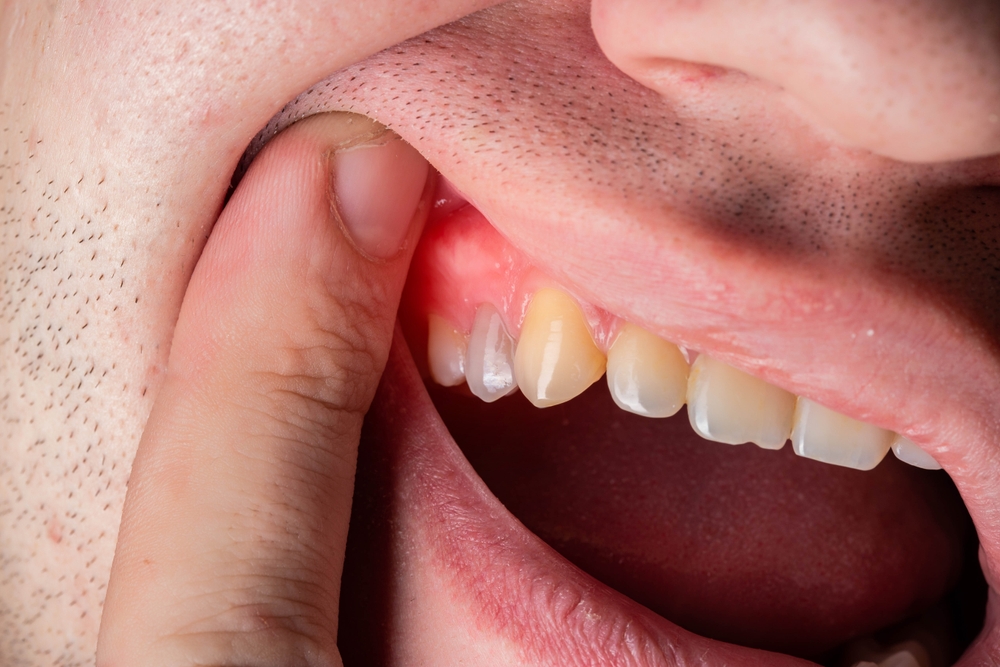
Periodontal disease can damage the gums, bone, and supporting structures around the teeth if it is not treated. Laser gum surgery is one treatment option used to target infected tissue and manage advanced gum disease with less disruption than some traditional surgical approaches. For patients exploring treatment, the main benefits often relate to comfort, precision, and recovery.
A More Precise Approach to Infected Tissue
One of the biggest advantages of laser gum surgery is precision. The laser can target diseased gum tissue and bacteria while limiting treatment to the affected area. This focused approach may help preserve more healthy tissue compared with more traditional methods, which is one reason many patients ask about laser treatment for periodontal disease.
Less Bleeding and Swelling
Laser technology can reduce bleeding during treatment because it helps seal small blood vessels as it works. Many practices and clinical sources also note less swelling and reduced tissue trauma after laser periodontal treatment. For patients who feel anxious about gum surgery, this can make the procedure seem more manageable.
Faster Recovery for Many Patients
Another reason laser gum surgery appeals to patients is recovery. Because the treatment is minimally invasive, healing may be quicker and postoperative discomfort may be lower than with more traditional gum surgery. Some laser protocols also reduce or eliminate the need for sutures, which can make aftercare easier.
Potential Benefits Patients Often Ask About
Patients considering laser gum surgery for periodontal disease often want to know what practical benefits they may notice, such as:
Less bleeding during and after treatment
Reduced swelling and tissue trauma
Greater precision in targeting diseased areas
Faster healing for many patients
Less postoperative discomfort
In some cases, little to no need for sutures
These benefits can make laser treatment an appealing option when gum disease has progressed beyond routine cleaning alone.
It May Help Reduce Bacterial Load
Periodontal disease is driven by infection and inflammation, so reducing harmful bacteria is a key part of treatment. Sources discussing Nd:YAG laser use in periodontal care note bactericidal effects and the ability to debride infected tissue within periodontal pockets. Some studies have also reported improvements in pocket depth and bleeding when laser-assisted therapy is used.
The Best Option Depends on the Case
Laser gum surgery can offer meaningful advantages, but it is not automatically superior in every situation. The American Academy of Periodontology notes that current controlled studies have found results similar to some other non-surgical periodontal treatment options, and prior evidence reviews found no clear added benefit beyond traditional periodontal surgery in all cases. That is why a personalized evaluation matters.
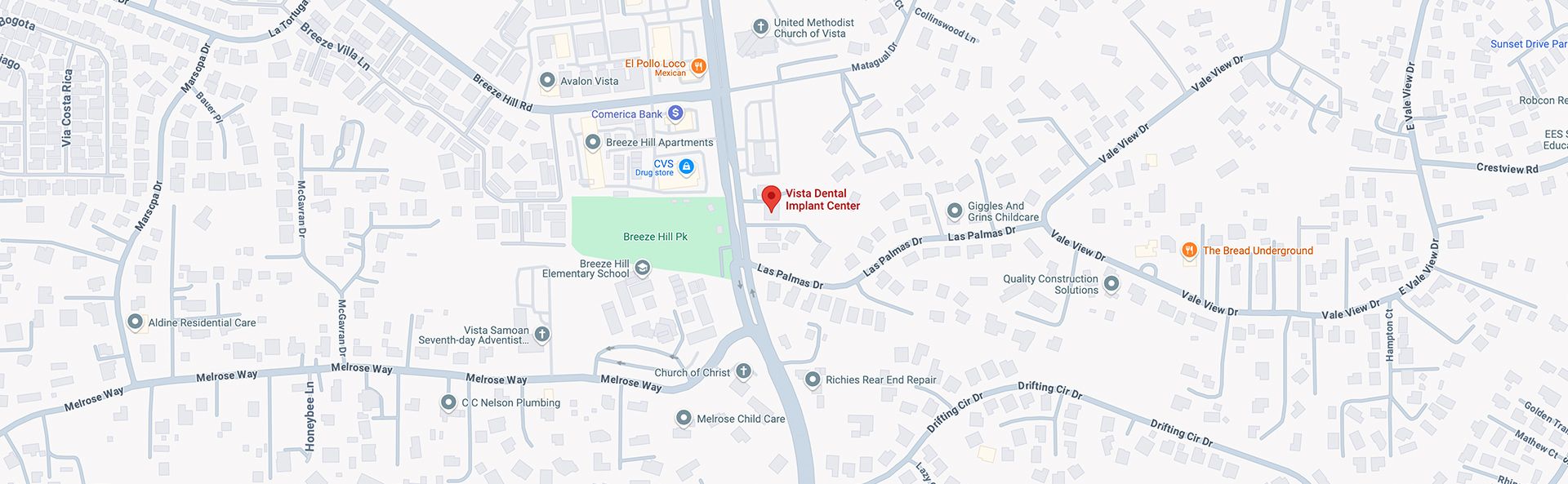
If you are dealing with periodontal disease and want to learn whether laser treatment is the right fit, contact Vista Dental Implant Center in Vista, California by calling (760) 798-0730 or visiting 620 South Melrose Dr, Suite 101, Vista, CA 92081.
Quick Links

Dental
Care

Keep
In Touch

Quick Links
Contact Info
Office Hours
- Monday 8:00 AM - 5:00 PM
- Tuesday 8:00 AM - 5:00 PM
- Wednesday 8:00 AM - 5:00 PM
- Thursday 8:00 AM - 5:00 PM
- Friday 7:30 AM - 3:00 PM
- Saturday Closed
- Sunday Closed
© 2025 Vista Dental Implant Center. All rights Reserved. Accessibility Statement - Privacy Policy - Sitemap
Powered by:
